
Dai-2-kai Shoshinkai Soft Tenshikai / Super Famicom - Family Computer - Game Boy Soft Tenshikai
Dai-2-kai Shoshinkai Soft Tenshikai / Super Famicom - Family Computer - Game Boy Soft Tenshikai
Popularly known as Shoshinkai 1990, was the second in the line of Nintendo's Space World events. The second edition of the Shoshinkai had spaces, called Symbolic Zones, in which each company could showcase their games. The line-up had a large amount of games for the upcoming Super Famicom, but also had games for the Family Computer and the Game Boy. The Shoshinkai was a group of companies that worked with Nintendo, and they were the main organizers of these events, which happened one after the other, with the first being a press conference, followed by a public exhibition.
50 featured games
Featured Games(50)

Final Fantasy Legend II
Square, SUNSOFT
The Final Fantasy Legend series continues! In this classic RPG adventure, you are on a quest to reunite with your father. In order to find your father, you must travel far and wide to find the scattered fragments of a mystical force, known as Magi. Your quest takes you to several mysterious lands filled with caves, temples, enemy bases, ancient Japanese castles, and much more. Many of the worlds are filled with quirky inhabitants, such as the world of giants. Another world praises beauty but banishes ugliness. You can choose four heroes to accompany you in your journey. Choose from humans, robots, and even monsters. As the game progresses, you will encounter additional characters that may join your party.


Super Mario World
Nintendo Entertainment Analysis & Development, Nintendo, Playtronic, Gradiente, Hyundai
A 2D platformer and first entry on the SNES in the Super Mario franchise, Super Mario World follows Mario as he attempts to defeat Bowser's underlings and rescue Princess Peach from his clutches. The game features a save system, a less linear world map, an expanded movement arsenal and numerous new items for Mario, alongside new approaches to level design and art direction.

Kid Dracula
Konami
Kid Dracula is a platformer video game made by Konami. It was released only in Japan for the Famicom on 19 October 1990. It is considered a parody of the Castlevania series. A version for mobile phones was also released on 30 June 2006 in Japan only. The game saw ports for the PlayStation 4, Xbox One, Nintendo Switch, and Microsoft Windows as part of the Castlevania Anniversary Collection which was released digitally on May 16, 2019 in all regions.


Mega Man 3
Capcom
It's robot rebellion, and nobody's safe! Least of all, Mega Man! This time the superpowerful cyborg takes on a horde of metal maniacs who've had it with being obedient! And they use every android-annihilator ever invented to make you believe it! Mega Man goes berserk, blasting through a galaxy of mining stations in search of energy crystals. But it takes more than guts to battle the phenomenal robot masters who control these worlds. It's a wrenching job, the worst - and the best - that Mega Man's faced so far!

F-Zero
Nintendo Entertainment Analysis & Development, St. GIGA, Gradiente, Playtronic, Hyundai, Nintendo
F-Zero is set in the year 2560, when humanity's multiple encounters with alien life forms had resulted in the expansion of Earth's social framework. This led to commercial, technological and cultural interchanges between planets. The multi-billionaires who earned their wealth through intergalactic trade were mainly satisfied with their lifestyles, although most coveted more entertainment in their lives. This resulted in a new entertainment based on the Formula One races to be founded with vehicles that could hover one foot above the track. These Grand Prix races were soon named "F-Zero" after a rise in popularity of the races. The game introduced the first set of F-Zero racers: Captain Falcon, Dr. Stewart, Pico, and Samurai Goroh.

HAL's Hole in One Golf
HAL Laboratory
It's the 18th hole-Hal Open Tournament. Sixty of the best golfers in the country are gathered in one place to determine who will walk away with the Grand Prize trophy. You're 7 under par, tied for first. This 22-food putt is all that stands between you and glory. A hush falls over the gallery... you address the ball... you measure your stroke... Hal America brings the excitement of golf competition to the SNES. Multiple play options and a demanding course will challenge beginners and seasoned pros alike!

Teenage Mutant Ninja Turtles II: The Arcade Game
Konami, Ultra Software Corporation
This version includes two new levels (the first part of Scene 3 and all of Scene 6), which feature new enemy characters, including two new bosses: Tora (a dog-like "blizzard beast") and Shogun (a robotic samurai), both characters created for the game. Most of the original stages from the arcade version were extended as well and the second half of Scene 3, the parking garage stage, replaces the arcade version's end battle with Bebop and Rocksteady with a battle against the mutated fly form of Baxter Stockman.

ActRaiser
Quintet, Enix Corporation, Enix America Corporation, St. GIGA, Square Enix, Nintendo
ActRaiser is a 1990 platform and city-building simulation game for the Super Nintendo, combining traditional side-scrolling platforming with urban planning god game sections. In 2007, ActRaiser became available on the Wii's Virtual Console download service. A version of the game was also released for European mobile phones in 2004.

Darius Twin
Taito, Square Enix
Darius Twin is a shoot 'em up video game released for the Super NES in 1991. It was the first new installment in the Darius series to not be originally designed for the arcades, and also the first to have a normal 4:3 screen-ratio. Interestingly, while it's a unique game in the Darius series, it appears to reuse sprites and background designs from Darius and Darius II. Also, while the names of the bosses are new, they really are reworkings of previous bosses for the most part.

Pilotwings
Nintendo Entertainment Analysis & Development, Nintendo, Playtronic
Are you ready to earn your wings at the most exclusive flight school in the world? Then report immediately to the secret Pilotwings Flight Club, where your training begins! You'll see the ground twist beneath you as you jump from your plane and attempt a precision skydive (don't forget to pull your rip cord!). You'll relive the early days of flying as you bring your biplane in for a pin-point landing. After you master the basics, you'll be called on to test an experimental rocket pack, soar in a hang glider, and pilot an advanced attack helicopter in a hazardous rescure mission. The realism is incredible as the Super NES takes you airborne with multi-dimensional graphics, endless skylines and the freedom to fly wherever you like. Do you have what it takes to earn your wings? Then get going! You're late for your first class!

Radar Mission
Nintendo R&D2, Nintendo EAD Tokyo Software Development Group No.1, Nintendo
Radar Mission is a Nintendo Game Boy title developed and released in 1990 in Japan and North America by Nintendo. It was one of the earliest Game Boy titles, and was the first military-based game released for the Game Boy. On June 6, 2011, the game was re-released as a launch title for the Nintendo 3DS Virtual Console system via online distribution.
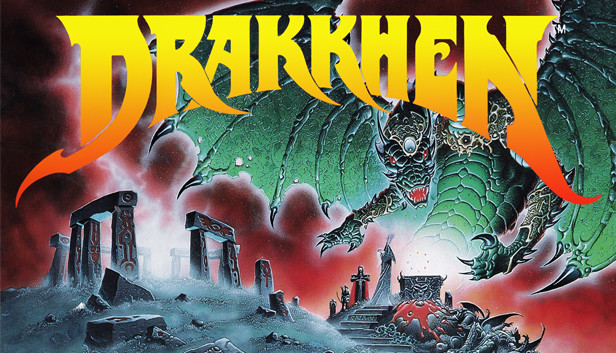
Drakkhen
Infogrames, Atari
The prophecy has been fulfilled. The world shall be ruled by the dragons. On an island far away, their lords prepare for the conquest of the lands. There is only one hope for mankind. The emperor sends out four heroes to solve the puzzle of tears and prevent the invasion of the Drakkhen.

Times of Lore
Origin Systems, Toho
Times of Lore is a pleasant RPG set in the land of Albareth. You play either a Knight, a Barbarian, or a Valkyrie on a quest to search for the magical artifacts that will restore High King Valwyn to power. The game is played in real-time, similar to the Ultima series. The storyline, game play and battle system are simple. The graphics and sound are decent as well. This is a good little game that does not have too many puzzles and is just enjoyable to play with not much thinking.

Gdleen
Jorudan, SETA
Gdleen is a Role-Playing game, developed by Jorudan and published by Seta Corporation, which was released in Japan in 1991.

Jaleco Rally: Big Run - The Supreme 4WD Challenge
Jaleco
Jaleco Rally: Big Run - The Supreme 4WD Challenge is a rally racing game and sim in which the player takes part in the Paris-Dakar rally. The game actually begins in Tripoli, Libya and passes through around 2,500 miles of African desert, swamp and jungle on the way to Dakar. Jaleco originally developed the game for the Arcades before porting it to the Super Famicom. This home version was never released outside of Japan. The game was also ported to the Amiga and Atari ST, where it is known simply as Big Run. In addition to passing each checkpoint under the required time - the checkpoint system ubiquitous in solo racing games of the era - the player must also be aware of environmental dangers along the course and needs to select a sponsor, navigator and engineer team before starting. They must also balance the weight of their car, as too few replacement parts might cause a problem further into the race yet having too many will greatly reduce the car's top speed.

SD The Great Battle: Aratanaru Chousen
Banpresto
SD The Great Battle is an Action game, published by Banpresto, which was released in Japan in 1990. A North American localization was planned and marketed, but was cancelled.

Super Wagyan Land
Nova Games, Namco Bandai Games, Namco
Super Wagyan Land is an Action game, developed by Nova Games Ltd. and published by Namco, which was released in Japan in 1991.


Super R-Type
Irem, Nintendo, Playtronic
In this SNES sequel to the arcade R-Type shooters, you are the R-9, Earth's most advanced form of defense against the evil BYDO Empire. There are seven stages you must go through, picking up power-up items to defeat the stage bosses which have returned from the arcade versions of R-Type and R-Type II. Your R-9 ship can also be united with FORCE, which are invincible units that surround your ship to protect you and can also power up and attack.

Ultraman
BEC, Ma-Ba, Bandai
Home console port of the Arcade release. Based on the popular television show from 1967, Ultraman directly follows the story of its source material. Cast in the role of the titular Ultraman, the player must defeat many of the same monsters that appeared in the original series. Taking the appearance of a 1-on-1 fighting game, Ultraman can punch, kick, and grapple his opponent, as well as use a variety of various special moves that must be charged. However, in order to actually defeat his opponent, Ultraman must deplete their continually-recharging life bar, and at that moment hit with his most powerful special attack: the Specium Beam. As the game continues, different enemies may even find ways to avoid this most formidable attack, and Ultraman must adapt... Each stage has a time limit of only three minutes, and there are three lives and no continues.

Ka-Blooey
Kemco
You play using either an overhead or isometric view. To complete each level the avatar has to destroy all bombs on a level. Bombs come in different sizes and it is only possible to ignite the smallest kind without dying. The bombs have to be set off using a chain reaction to prevent the avatar being killed in the explosion.

Kyuukyoku Harikiri Stadium III
Taito
Kyuukyoku Harikiri Stadium III is a Sports game, developed and published by Taito Corporation, which was released in Japan in 1991.

Juvei Quest
Birthday, Namco
Juvei Quest is a Role-Playing game, developed by Birthday and published by Namco, which was released in Japan in 1991.

Doraemon: Giga Zombie no Gyakushuu
Epoch
The second video game outing for the popular Japanese children's character is a Final Fantasy style role-playing game. The player takes the role of Doraemon the robot cat and leads him on an adventure through time to stop the evil Giga Zombie.

Akagawa Jirou no Yuurei Ressha
Mighty Craft, King Records
Akagawa Jirou no Yuurei Ressha is an Adventure game, developed by Mighty Craft and published by King Records, which was released in Japan in 1991.

SD Gundam World: Gachapon Senshi 3 - Eiyuu Senki
Yutaka, Game Arts
SD Gundam World Gachapon Senshi 3: Eiyuu Senki is a Strategy game, developed by Yutaka, which was released in Japan in 1990.

Gun Nac
Compile, NEXOFT Corporation, Tonkin House
The most happening place in the universe is the trendy, upscale solar system of IOTA Synthetica, part of the Galactic Federation of artificial stars. It's as far from dirty old Earth as can be... But don't sign up to go yet! A strange cosmic energy field with a major attitude has engulfed the system, and the most outrageous things are happening. Ordinary inanimate objects are coming to life - harmless little animals are becoming rabid giants - and the freaked-out residents are under attack! The only Galactic Commander who can handle this ordeal is the eccentric renegade called Gun-Nac. He can oust this aura that's threatening the destruction of comfortable artificial life as we know it. But where in the universe is he? He could be as far away as Earth, searching for a new Game Pak. Commander Gun-Nac, if you read this, call H.Q., A.S.A.P., O.K.? We N.E.E.D. you!

Solomon's Club
Graphic Research, Tecmo
Solomon's Club is a puzzle game, developed by Graphic Research and published by Tecmo, which was released in 1991.

Perman: Enban wo Torikaese
Irem
Perman: Enban wo Torikaese is a 1990 platformer from Irem based on the popular manga character.

Dungeon Land
Random House, Enix
Dungeon Land is a Role-Playing game with board game/strategy elements for the Nintendo Game Boy. It was developed and published by Random House and published by Enix Corporation on December 15, 1992. It was never officially released outside of Japan.

Just Breed
Random House, Enix Corporation
Just Breed is a strategy RPG released only in Japan for the Nintendo Famicom.

Downtown Nekketsu March Super-Awesome Field Day!
Technos Japan, Arc System Works, WindySoft
This prequel to the game known in the West as Crash'n the Boys: Street Challenge sees Kunio-kun competing in four not-so-traditional athletic events. The game was originally released as Downtown Nekketsu Koushinkyoku: Soreyuke Daiundoukai, but has since been localized as Downtown Nekketsu March Super-Awesome Field Day!

Dragon Ball Z: Kyoushuu! Saiya-jin
Tose, Bandai
Dragon Ball Z: Kyoushuu! Saiya-jin is a role playing video game and the first Dragon Ball Z console game. It was released only in Japan by Bandai on October 27, 1990, for the Nintendo Famicom. There was a limited edition gold cartridge of the game released. Kyoushuu! Saiyan is also one of the games included in the game compilation J Legend Retsuden for Nintendo 3DS.

Double Dragon III: The Sacred Stones
Technos Japan, Acclaim
Billy, Jimmy, and the whole Double Dragon gang fight for the Sacred Stones to save in the world in yet another beat-em-up.

Gremlins 2: The New Batch
Gremlins 2: The New Batch ties in with the movie of the same name. Gizmo is trapped inside Clamp Centre by the evil Gremlins. It is up to the player to help him battle his way to the Control Center and rid the city forever of the Gremlin menace. This game is a side scrolling platform game. Gizmo can equip a variety of weapons from a pencil to a toolbox to use against different Gremlins and other vermin such as spiders, bats and rats. There are also traps that hurt Gizmo. Gizmo can be hit by an enemy or trap multiple times before he loses a life.

Jungle Wars
Atelier Double, Pony Canyon

Pop'n TwinBee
Konami
A sequel to the original TwinBee released for the Game Boy portable consoles. Pop'n TwinBee puts you behind the controls of two experimental TwinBee fighters as you attempt to rescue Dr. Cinnamon from evil alien forces. In order to do that you must journey through 6 different planets filled with cute and surreal creatures bent on your destruction. The game uses the classic gameplay mechanics for the genre, with you controlling your craft as the background scrolls vertically towards the end of the stage and trying to survive and destroy all enemies with your laser shots. Twinbee features a selectable power-up system in which you must shoot the bell power-ups to select which type of upgrade you want depending on the color they take (or in this case, the shade of grey). Despite the European title, the Japanese version actually predates the release of the Super Famicom version of Pop'n TwinBee by three years.

Parodius
Konami
This is mostly the parody of Gradius (Nemesis on some systems), with some flavor from other shoot-em-ups, like Twinbee. The series is available on numerous platforms. The game is a right-to-left scrolling shoot-em-up. You can choose from 4 different flying creatures, with different weapons. You must finish 7 stages, each having a boss at the end. You may start at either one, but must complete every level to advance to the final stage.

SimCity
Nintendo Entertainment Analysis & Development, St. GIGA, Playtronic, Nintendo
SimCity (SNES) was originally released in Japan in April 1991, the first console game in the SimCity series, and one of the launch titles for the Super Famicom/Super Nintendo Entertainment System in North America when the console was released there in August the same year. It was developed by Nintendo EAD under license from Maxis and published by Nintendo. It has some differences from the original game, among them is the presence of an original Nintendo character called "Dr. Wright". There are also unlockables based on Nintendo franchises such as Mario.

Super Momotaro Dentetsu
Hudson Soft
Super Momotaro Dentetsu is a video game in the Momotaro Dentetsu series of board game-style video games, genre released in 1989 by Hudson Soft for the Game Boy. The game was only released in Japan. It is the port of the first game in the series for the Game Boy.

Final Fight
Capcom, Hyundai
A port of Final Fight for the Super Nintendo Entertainment System was released as a launch title for the platform in Japan in 1990 and later in North America in 1991 and then in the PAL region in 1992. The SNES port removed the two-player co-op option, the Industrial Area level and playable character Guy. Most of the scene transitions were also edited out. In the arcade version, the player characters would be seen exiting the levels and breaking through doors unlike the SNES version. Due to hardware limitations the SNES version could only display two or three enemies on-screen, in contrast to the CPS arcade version, which could display up to nine or ten enemies on-screen; to make up for this difference, the SNES version features more stopping points than the arcade version and the enemy placement is vastly different.

Famista '91
Namcot
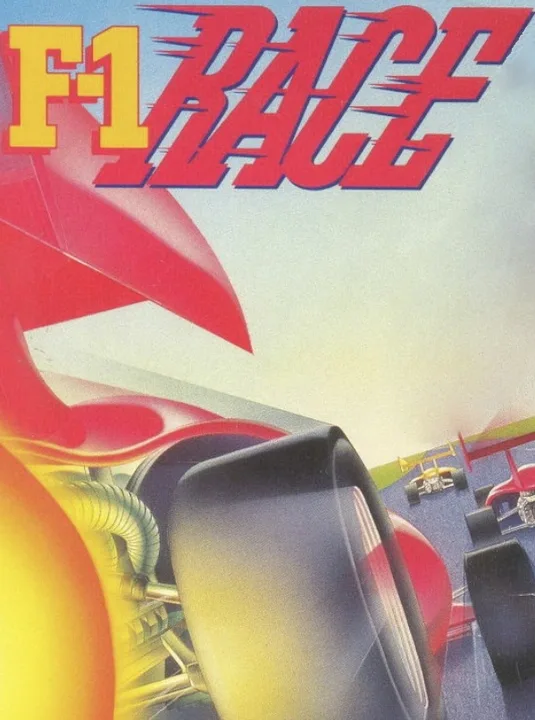
F-1 Race
Nintendo, Playtronic
Game Boy port of F-1 Race.

Gremlins 2: The New Batch
Sun Electronics, Sun Corporation

The Best Play Baseball '90
ASCII Entertainment
Best Play Pro Yakyuu '90 is a Sports game, developed and published by ASCII Entertainment, which was released in Japan in 1990.

Nobunaga's Ambition
Koei
A port of the second game in the Nobunaga's Ambition series.

Gradius III
Konami
In the darkest reaches of infinite space, pure evil lies in wait ... The Dark Forces led by the god of destruction, Bacterian, prepare to launch a massive onslaught against the planet Gradius. Possessing unstoppable power, the Dark Forces threaten to plunge the Universe into total war and complete annihilation. Their invasion force smashes the Gradius defenses, and the surrounding planets soon fall like dominoes. Now Bacterian's evil grasp reaches for the heart of the resistance...planet Gradius itself... To counter the oncoming threat the United Gradius World Forces gather all their fighter craft. Half of them form a defensive net - the other half a strike team. But they are badly outnumbered and The Dark Forces easily tear through their thin frontline. No fighters survive the slaughter.... In a last gasp move, the United Gradius World Forces send out two fighters, previously considered too dangerous for combat missions: The InterDimensional VIC VIPER fighters. The Fighters take off for the heart of darkness to join the fray that will decide the fate of the Universe...

Romance of the Three Kingdoms II
Koei

Jungle Taitei
Taito
Jungle Emperor is a cancelled 1990 platform action tie-in game that was in development by Taito for the Famicom, based on the 1989 anime series Jungle Emperor (The New Adventures of Kimba the White Lion) by Osamu Tezuka. Not much is known about this game, except that it was going to be released in November 1990, but it was cancelled for unknown reasons. No prototypes of the game are known to exist.

Navy Blue 90
Use

Populous
Bullfrog Productions, Acclaim Entertainment, Imagineer
Populous is a strategy game where players act as a deity, shaping the land and guiding followers to expand and defeat rival gods. Gameplay involves altering terrain, managing populations, and using divine powers to influence battles and control territory.